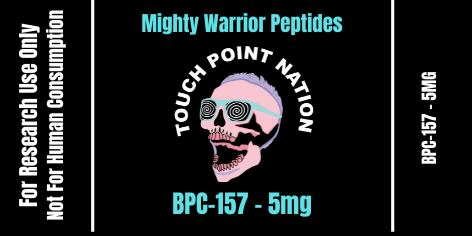
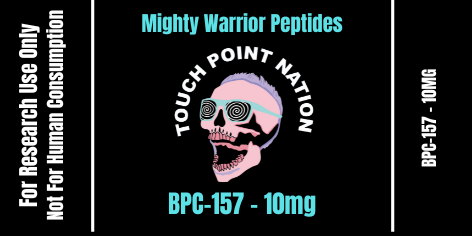
BPC-157, also known as Bepecin or Pentadecapeptide BPC-157, is a synthetic fragment derived from a naturally occurring gastric protein sequence. It is provided in lyophilized form to ensure stability and purity for research environments.
Studies in laboratory models have examined its molecular interactions involving fibroblasts, endothelial activity, and collagen organization. Research has focused on how the peptide may influence growth-related signaling pathways and cellular migration under controlled experimental conditions.
Investigations have also considered its possible relationship to angiogenic responses and cell proliferation observed in vitro. Preliminary data suggest that BPC-157 may interact with growth factor receptors and influence protein phosphorylation events in cell culture assays.
Experimental research has extended to its potential effects on musculoskeletal and gastrointestinal systems in non-clinical settings. These studies have explored biochemical pathways associated with peptide-mediated responses to oxidative and mechanical stress.
All findings referenced in available literature remain limited to preclinical or laboratory evaluation. BPC-157 is not approved for therapeutic, diagnostic, or human consumption purposes and is intended strictly for qualified research professionals in controlled settings.