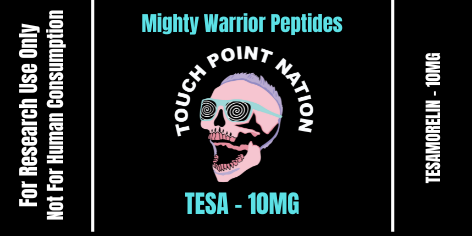
Tesamorelin is a synthetic analog of human Growth Hormone–Releasing Hormone (GHRH) engineered with structural modifications that increase stability and enhance receptor specificity. These features allow researchers to examine GH-axis activity under physiologic, pulse-driven conditions rather than continuous stimulation.
In experimental systems, Tesamorelin activates the GHRH receptor on pituitary somatotrophs and triggers cAMP-mediated signaling cascades that stimulate GH synthesis and release. This makes it a valuable tool for studying endogenous GH dynamics, feedback loops, and pituitary responsiveness.
Because Tesamorelin amplifies natural GH pulses instead of mimicking ghrelin-pathway peptides, researchers can evaluate the distinct interactions between GHRH signaling, somatostatin regulation, and GH secretion. These models help clarify how endocrine rhythms and inhibitory pathways shape overall GH output.
Downstream of GH activation, Tesamorelin indirectly influences IGF-1 production, enabling controlled study of IGF-associated gene expression and metabolic signaling pathways. Researchers frequently use it to explore correlations between GH-dependent activity and cellular growth, differentiation, or energy metabolism.
Tesamorelin is also employed in investigations involving adipose tissue biology, hepatic metabolism, and lipolytic signaling. These studies highlight the peptide’s utility in understanding GH-regulated metabolic processes across different tissue systems.
In muscle and connective-tissue models, Tesamorelin is used to analyze GH-linked protein synthesis pathways, structural remodeling, and regenerative signaling. Because the peptide preserves endogenous GH rhythm, it provides insight into physiologic, rather than supra-physiologic, growth signaling mechanisms.
Tesamorelin’s stability enhancements allow extended observation windows compared to native GHRH, offering consistent and reproducible experimental conditions. This improved durability makes it especially useful in longitudinal GH-axis studies.
Tesamorelin is not FDA-approved for general therapeutic use and should not be interpreted as a treatment or medical product outside specific regulatory contexts. For research use only, not for human or veterinary use.